UV-stable vs non-UV resin: why aliphatic resin matters
Resin bound driveways are made with one of two polyurethane chemistries: aliphatic (UV-stable) or aromatic (non-UV). Even under cloudy Irish skies, non-UV aromatic resin reacts with ultraviolet light and turns yellow-amber within weeks — leaving permanent pale rectangles wherever a car, wheelie bin or flower pot stood.
Why every reputable installer in Ireland uses 100% aliphatic UV-stable resin, and how to verify it.
Free, no obligation. One vetted installer covering your county replies, not five.
What sunlight does to UV-stable vs non-UV resin
| Property | Aliphatic UV-stable polyurethane resin | Aromatic non-UV polyurethane resin |
|---|---|---|
| Colour in sunlight | Stays water-clear for the life of the driveway | Oxidises to a yellow, orange or dark amber tint in UV light |
| Shadow patching (cars & bins) | None — shaded areas under parked cars match sunlit areas | Severe 'tan lines' where parked cars, mats or plant pots block the sun |
| Flexibility over time | Retains elastomeric flexibility through winter frost and summer heat | Becomes more brittle as UV degradation progresses |
| Best aggregate colours | Required for all blends — mandatory on silver granite, pearl quartz, grey and buff stones | Sometimes used on cheap dark brown stones to hide yellowing, but still discolours |
| Material cost difference | Adds roughly €6 to €10 per m² in raw resin cost | Cheaper raw chemical ingredient |
Does UV stability matter in Irish weather?
A common sales myth is that Ireland doesn't get enough sunshine to yellow non-UV resin. In reality, ultraviolet (UVA and UVB) radiation penetrates cloud cover all year round, and the colour change in aromatic polyurethane starts during the very first summer after installation.
Where yellowing is most obvious is on silver-grey granite, platinum quartz or cream/oatmeal blends, and on households that keep a car parked in the same spot on the driveway during the day: when the car moves, a bright silver patch is left underneath surrounded by a yellowed driveway. Specifying 100% aliphatic UV-stable resin in your written contract eliminates this completely.
What a resin bound driveway costs in Ireland
Our price guide per m² and by driveway size for 18mm UV-stable overlays, full SuDS permeable dig-outs, patios and borders.
| Job | Typical cost | What moves the price |
|---|---|---|
| UV-stable resin bound overlay (15mm–18mm hand-trowelled) | €65 to €95 per m² | Over a sound existing tarmac or concrete base |
| Full dig-out + permeable binder + 18mm UV resin bound | €95 to €140 per m² | Clause 804 sub-base + open-graded tarmac + 18mm resin bound |
| Resin bound patio or front path (15mm foot-traffic depth) | €60 to €90 per m² | Kiln-dried natural aggregate mixed in clear aliphatic resin |
| Typical 2-car driveway (50 m²) | €3,250 to €4,750 (overlay) · €4,750 to €7,000 (full permeable dig-out) | Seamless hand-trowelled finish with crushed glass anti-slip grit |
| 3–4 car driveway (80 m²) | €5,200 to €7,600 (overlay) · €7,600 to €11,200 (full permeable dig-out) | Popular for widening a front garden without puddles or loose gravel |
| Large detached driveway (130 m²) | €8,450 to €12,350 (overlay) · €12,350 to €18,200 (full permeable dig-out) | Lower per-m² rate on larger continuous pours |
| Aluminium or granite sett edging + recessed manhole trays | €450 to €1,400 | Neat perimeter stop-bead and inset trays filled with matching resin |
Real examples and installation detail
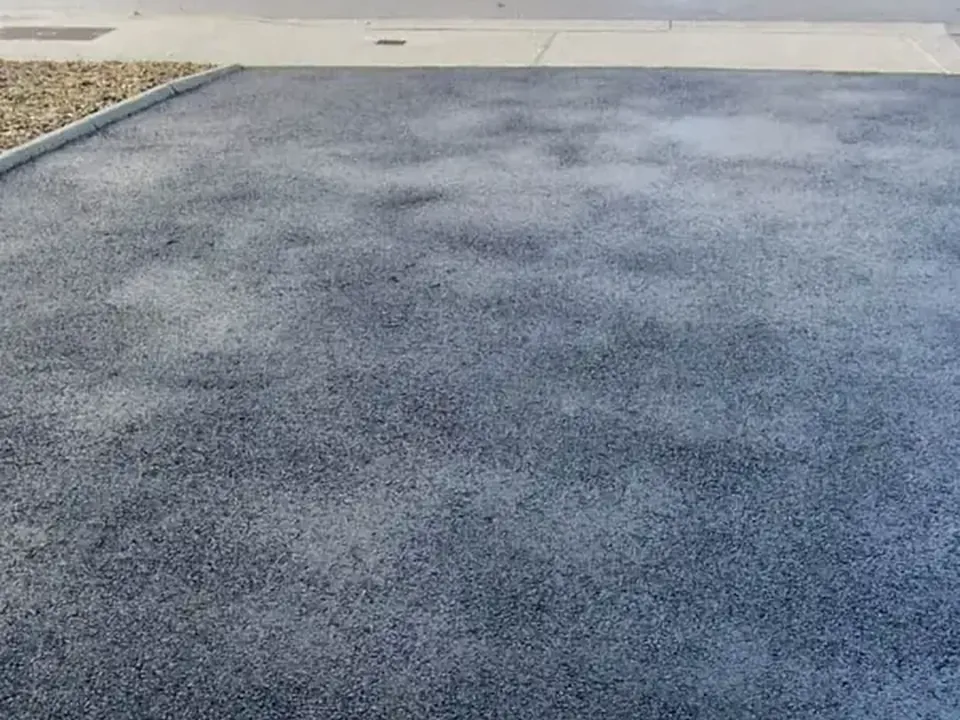
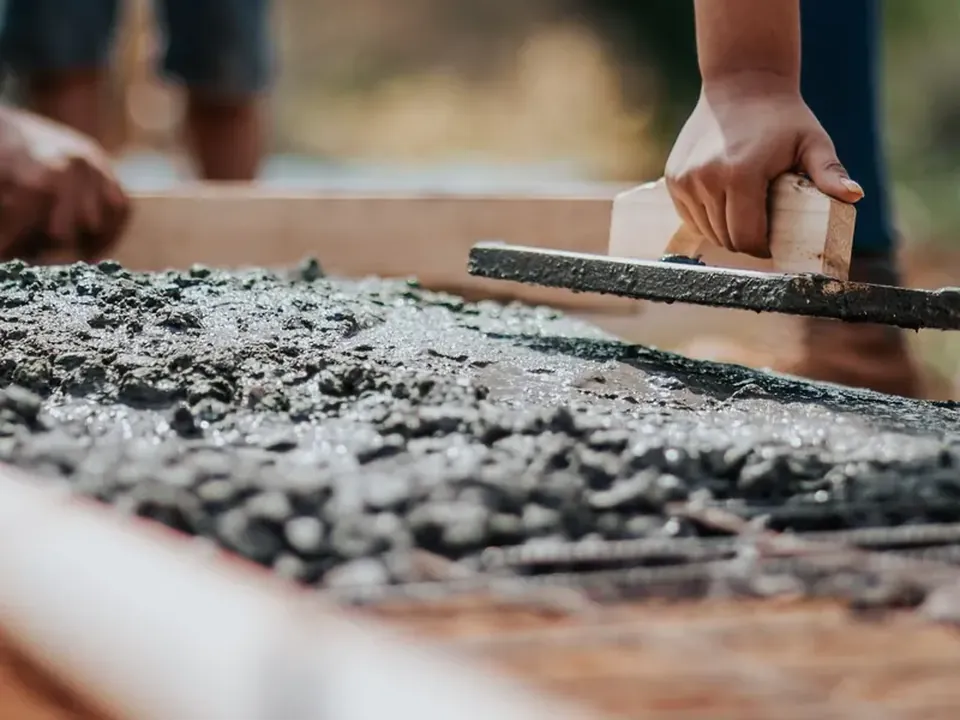
Get a resin bound driveway quote for your home
Pick the job, your current surface and your county. Your enquiry goes to one vetted resin driveway installer covering your county, who checks your base, shows you stone blends and quotes in writing.
Questions homeowners ask
Can yellowed non-UV resin be cleaned back to its original colour?
No. UV yellowing is a chemical change inside the cured polyurethane binder itself, not surface dirt. Pressure-washing or bleach will not remove it, which is why choosing aliphatic UV-stable resin from day one is essential.
Does UV-stable resin take longer to cure?
No. Modern two-part aliphatic polyurethane resin with catalyst cures to foot traffic in 4 to 6 hours and to car traffic in 24 to 48 hours depending on ambient temperature.
Every guide, calculator and county page
Jump straight to any specification guide, our interactive calculator, the technical glossary or your county page.
Price & Specification Guides
Calculator, FAQ & Glossary
Want to see stone samples and get a fixed price?
One vetted installer covering your county checks whether your existing driveway can take an overlay, brings aggregate sample boards, and quotes in writing.